Posted on 22/09/2026
Crystal Palace spring wedding flowers 2026 trends: what to choose, how to style it, and what really works
Planning your wedding flowers for spring in Crystal Palace is one of those jobs that sounds simple until you start comparing bouquets, colour palettes, centrepieces, buttonholes, and the small detail that suddenly feels very big. The good news? Crystal Palace spring wedding flowers 2026 trends are leaning in a lovely direction: softer movement, more natural shapes, seasonal texture, and colour stories that feel fresh without trying too hard. If you want flowers that look beautiful in the room, photograph well, and still feel like you, this guide will help you get there.
Truth be told, spring weddings in South London have a particular charm. The light changes quickly, the weather can be a bit unpredictable, and the venue style may range from smart and classic to relaxed and contemporary. That mix is exactly why flower choices matter. In this article, we'll break down the trends, explain what they mean in practical terms, and show you how to choose flowers that suit your day rather than just following a mood board that looks gorgeous on Pinterest but falls apart in real life.
If you are exploring broader wedding options too, it can help to compare styles against the wider wedding flowers collection and the dedicated Crystal Palace wedding flowers page for a sense of what is available locally.
Table of Contents
- Why Crystal Palace spring wedding flowers 2026 trends Matters
- How Crystal Palace spring wedding flowers 2026 trends Works
- Key Benefits and Practical Advantages
- Who This Is For and When It Makes Sense
- Step-by-Step Guidance
- Expert Tips for Better Results
- Common Mistakes to Avoid
- Tools, Resources and Recommendations
- Law, Compliance, Standards, or Best Practice
- Options, Methods, or Comparison Table
- Case Study or Real-World Example
- Practical Checklist
- Conclusion
- Frequently Asked Questions
Why Crystal Palace spring wedding flowers 2026 trends Matters
Spring flowers are not just decoration. For a wedding, they shape the atmosphere before anyone has even sat down. In Crystal Palace, where venues and homes can vary from airy and modern to period and characterful, the right floral direction helps everything feel coherent. A bouquet that is too heavy can look out of place in spring light. A palette that is too trendy can age quickly in photos. And yes, that matters more than people expect.
The 2026 trends are important because they sit between two needs. First, couples want flowers that feel current. Second, they want designs that still look elegant in five years when they open the album and wince at nothing. That balance is the sweet spot. Spring is ideal for this because it naturally lends itself to soft stems, layered texture, and colour that feels alive rather than overly staged.
There is also a local angle. Crystal Palace couples often want wedding flowers that work across mixed settings: a ceremony venue, a reception room, a church, maybe even a home gathering. Flowers need to travel well, hold up in variable temperatures, and look good from noon into evening. Let's face it, spring can start sunny and end with a breeze that makes everyone pull their shoulders up. Design choices should take that into account.
Expert summary: The best Crystal Palace spring wedding flowers for 2026 are the ones that combine seasonal feel, movement, and practical durability. Aim for a look that is natural, not fussy; refined, not rigid.
How Crystal Palace spring wedding flowers 2026 trends Works
At its core, a wedding flower trend is just a shared direction in design. In 2026, that direction is about soft structure, seasonal realism, and personalised colour. Instead of one big "must-have" bloom, couples are combining a handful of design ideas to create something that feels modern but not shouty.
Here is what that usually looks like in practice:
- Garden-style shapes with a gently gathered, hand-tied feel.
- Layered colour palettes rather than single-tone arrangements.
- Textural flowers mixed with supportive foliage and smaller seasonal blooms.
- Less formality in bouquet silhouette, with more relaxed lines and movement.
- Personal symbolism through flower meaning, family references, or favourite colours.
It is not just about what blooms are fashionable. It is about how those blooms behave in a bouquet, a buttonhole, or a table arrangement. For example, a large open bloom may be perfect for a bridal bouquet but less ideal for a buttonhole that needs to stay tidy for hours. A trailing bouquet can be stunning in pictures, but if the dress or venue is quite minimal, it may overpower the look. Small choices. Big difference.
When florists in Crystal Palace plan spring wedding flowers, they usually think in layers: the big shape first, then the focal flowers, then the filler and foliage, then practical details like water source, transport, and timing. That process sounds technical, but honestly it is what keeps a wedding day calm.
Key Benefits and Practical Advantages
The strongest trends are not just pretty. They solve real problems. Spring flowers for 2026 are popular because they give couples flexibility without losing style.
- They feel seasonal: Spring blooms naturally suit the date and the mood of the day.
- They photograph beautifully: Soft petals and movement catch daylight well, especially in outdoor or bright indoor settings.
- They can suit different budgets: Choosing one or two focal blooms and supporting them with complementary flowers can make the design feel fuller without being wasteful.
- They adapt to different venues: Whether your setting is formal, intimate, or somewhere in between, spring flowers can be styled up or down.
- They offer a personal touch: There is more room in modern wedding floristry for colour preference and meaningful details.
One practical advantage people sometimes overlook is pacing. Spring floral designs often feel fresh enough for a daytime ceremony and relaxed enough for an evening reception without needing a complete redesign. That helps if you want one coherent look rather than a dozen competing visuals. It also makes life easier for the photographer, which is never a bad thing.
If you are looking at a smaller floral edit, it may be worth exploring bouquet-led options such as bridal bouquets, alongside matching bridesmaid bouquets and tidy finishing touches like wedding buttonholes.
Who This Is For and When It Makes Sense
This topic matters most if you are planning a spring 2026 wedding in or around Crystal Palace and you want flowers that feel current, local, and practical. That could mean a large celebration, a registry-style ceremony, or a smaller family gathering where flowers still carry a lot of the atmosphere.
It makes particular sense for:
- Couples who want a fresh seasonal look rather than a heavy, wintery feel.
- Anyone comparing modern and classic styling options.
- People who want flowers that can work across ceremony, reception, and photography.
- Couples who like the idea of trend awareness but do not want a wedding that feels overly fashionable or dated.
- Those working with a set colour palette, family traditions, or a meaningful flower preference.
It also makes sense if you are trying to manage costs sensibly. Spring can be a wonderful season for florals, but like everything wedding-related, the choices still need a bit of discipline. Do you want one memorable bouquet moment, or a full room filled with flowers? There is no wrong answer, but the budget conversation should start early, not after the excitement has already run away with you. Happens all the time.
If you need flowers quickly or are still testing styles, it can help to browse options from a local florist in Crystal Palace rather than trying to piece everything together from too many disconnected sources.
Step-by-Step Guidance
Here is a sensible way to approach Crystal Palace spring wedding flowers 2026 trends without getting overwhelmed.
- Start with the feeling, not the flowers.
Ask how you want the day to feel: romantic, airy, polished, playful, elegant, or a mix. The mood should guide the flowers. - Choose your main colour story.
Spring 2026 is leaning toward soft pinks, creamy whites, buttery yellow, lilac, sage, peach, and gentle mixed palettes. Pick one lead colour and a supporting cast, rather than trying to use everything. - Match blooms to the venue.
A dramatic arrangement can look beautiful in a grand room, but an intimate venue may need something lighter. Scale matters. A lot. - Decide where the flowers need to work hardest.
For some weddings, the bouquet is the star. For others, it is the ceremony arrangement or table styling. Focus budget where it will be seen most. - Balance trend with practicality.
Look at stem strength, vase life, transport needs, and whether the flowers will cope with warm rooms or outdoor time. - Build in matching details.
Bridesmaid bouquets, buttonholes, table flowers, and even a small entrance arrangement can make the whole event feel considered. - Confirm the final design with timings in mind.
Delivery, setup, and the order of the day all matter. Fresh flowers are living things, after all. They prefer a plan.
A useful trick is to think in three layers: hero flowers, support flowers, and finishing texture. For example, a bouquet may feature roses or orchids as the main visual point, with lisianthus or alstroemeria for softness, and a little foliage to frame the edges. Simple structure, but it gives a premium feel.
Expert Tips for Better Results
Here are the things that usually make the biggest difference in real weddings.
1. Keep the bouquet shape soft but deliberate
In 2026, the best spring bridal bouquets are not stiff. They are gently structured, with a natural hand-tied finish that still feels intentional. Too loose, and the bouquet can read as unfinished. Too tight, and it loses the spring energy. That middle ground is the goal.
2. Use colour with restraint
Mixed colours are still strong, but the winning versions are controlled. A soft palette with one accent tone often looks richer than a rainbow of competing shades. If you love colour, great. Just give it a point of view.
3. Let texture do some of the work
Petite blooms, delicate shapes, and layered foliage help arrangements feel fuller without becoming bulky. This is especially useful for spring weddings where you want volume but not weight.
4. Think about how the flowers move
Movement matters in photos and in person. You want the bouquet to catch the eye when you turn, walk, or hold it against the dress. A little trailing line or asymmetry can make a huge difference.
5. Ask how blooms will hold up through the day
Some flowers are naturally more robust than others. If your day includes travel between venues, long portraits, or a warm reception room, your florist should steer you toward flowers that can cope. No drama, just common sense.
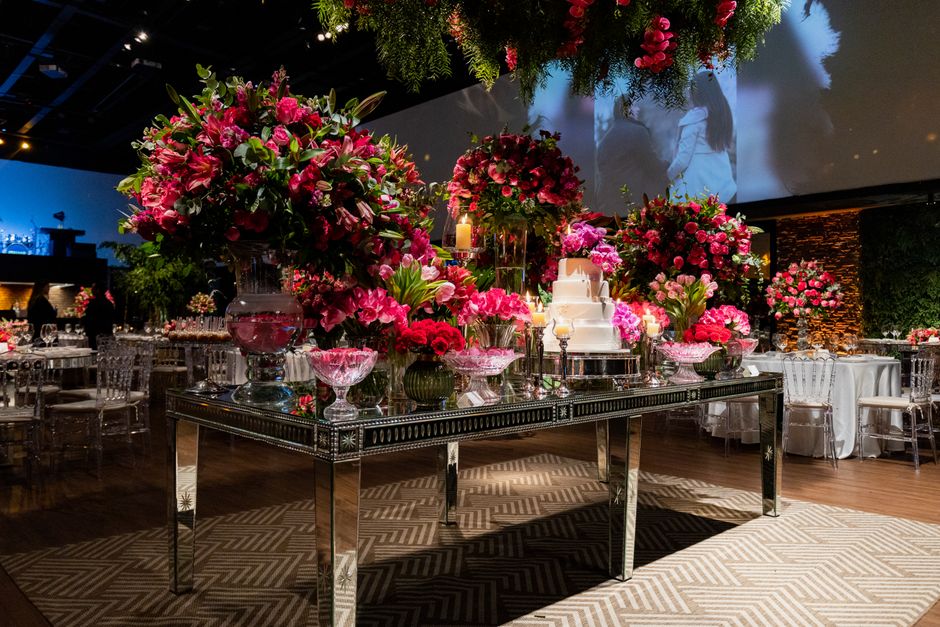
If you are going for a softer romantic look, spring is a good moment to consider classic white and blush combinations, or to explore delicate pairings with roses and lisianthus wedding arrangements or a more elegant white lily, rose and orchid centrepiece.
Common Mistakes to Avoid
Even stylish weddings can go a bit sideways if the floral choices are made too late or for the wrong reasons. These are the usual traps.
- Following trends too literally. A trend is a direction, not a uniform. If every element is copied exactly, the result can feel generic.
- Ignoring the venue light. Pale flowers can disappear in dim spaces, while very bold flowers can dominate small rooms.
- Choosing too many focal flowers. When everything is trying to be the star, nothing wins.
- Forgetting scale. Tiny arrangements on a long table can look lost; oversized pieces on small tables can get in the way of glasses and conversation.
- Leaving buttonholes as an afterthought. They may be small, but they tie the look together nicely.
- Not planning for spring weather. It can be soft and sunny, or cool and damp. Sometimes both in one afternoon. Classic British behaviour.
One of the most common mistakes is underestimating how different flowers look in real daylight versus showroom light. If you can, view samples in natural light, or at least ask for honest descriptions of tone and texture. What looks "ivory" in one room can read cream or even slightly green in another.
Tools, Resources and Recommendations
You do not need dozens of tools to make good decisions, but a few simple resources help a lot.
- Venue photos: Use pictures of the actual space to judge scale, light, and table layout.
- Dress and fabric swatches: Flowers should complement, not clash with, the dress material and tone.
- Colour references: Save a small set of images that show your preferred palette. Three to five is usually enough.
- Guest count and table plan: This helps work out whether you need statement pieces or smaller grouped arrangements.
- Budget range: Be open about your practical limit early on. It saves time and awkwardness later.
For couples comparing product styles, a local florist's broader catalogue can help narrow the look. You may want to scan seasonal or occasion-based options such as luxury flowers, flowers in a vase, or a gentler spring charm style for inspiration on texture and colour balance.
It is also smart to check practical pages before ordering anything important. The florist's delivery information, flower care guidance, and guarantees can all give you a better sense of what to expect. Boring? Maybe. Useful? Absolutely.
Law, Compliance, Standards, or Best Practice
Wedding flowers are not heavily regulated in the way some services are, but there are still best-practice considerations that matter. In the UK, a professional florist should handle orders carefully, communicate clearly about availability, and be transparent about delivery and substitutions. If a flower variety is out of season or not suitable, a good florist will normally suggest a comparable alternative rather than forcing a poor match.
For weddings in public or shared venues, it is also sensible to check any venue rules on setup times, access, open flames, and waste removal. Flowers themselves are usually straightforward, but arrangements, stands, and vases can affect logistics. If the venue has narrow access or limited holding space, tell your florist early. That sort of detail saves last-minute stress.
On the customer side, read the florist's terms, returns information, and payment terms before confirming. Flowers are perishable, so expectations are different from ordinary retail. A clear understanding of delivery windows, replacement policy, and what happens if plans change will help avoid confusion.
For sustainability-minded couples, local best practice also includes sensible sourcing, reuse where possible, and reducing unnecessary waste. If this matters to you, check the florist's sustainability information and ask how arrangements might be repurposed after the ceremony. Small decisions add up.
Options, Methods, or Comparison Table
There are several ways to approach spring wedding flowers, and the best one depends on your venue, budget, and style.
| Approach | What it feels like | Best for | Watch out for |
|---|---|---|---|
| Classic seasonal palette | Elegant, timeless, softly romantic | Traditional ceremonies and formal receptions | Can feel plain if texture is too limited |
| Modern mixed colour palette | Fresh, lively, contemporary | Couples who want a more personal look | Needs good colour control to avoid chaos |
| White and green styling | Clean, calm, premium | Minimal venues and refined dress styles | Can read flat without enough shape or contrast |
| Soft pastel garden style | Romantic, airy, very spring-like | Bright daytime weddings and relaxed settings | May need stronger focal blooms for definition |
| Bold accent-led design | Confident, memorable, fashionable | Couples who want a statement | Harder to balance across all items |
In practical terms, many Crystal Palace weddings in 2026 will likely sit somewhere between classic and garden-style. That tends to be the sweet spot: polished enough for the photos, relaxed enough for the atmosphere. Not too formal, not too clever. Just right, if you ask me.
Case Study or Real-World Example
Here is a realistic example based on a typical spring wedding brief in Crystal Palace.
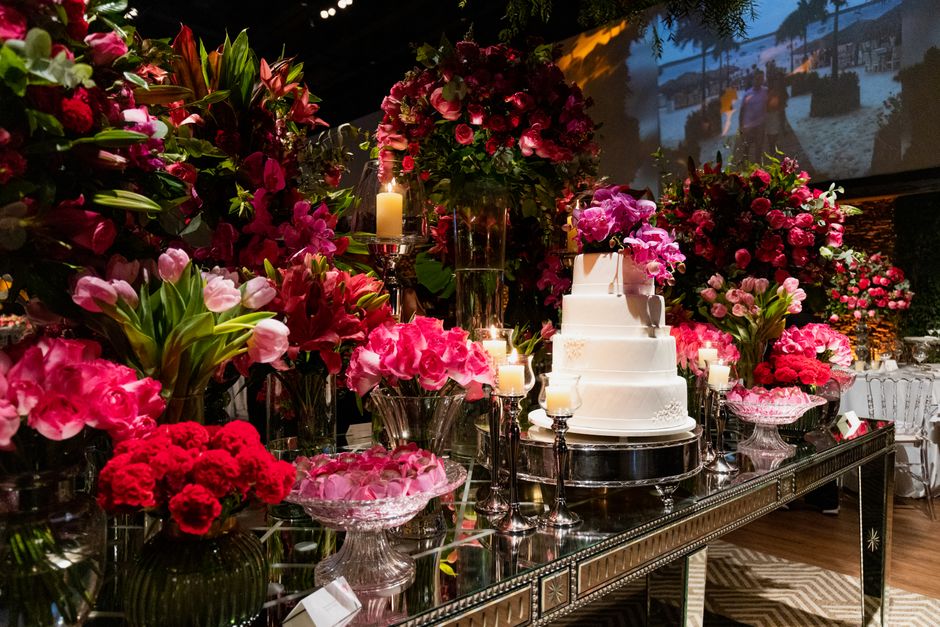
A couple planned a late-April ceremony with a reception in a light-filled room. They wanted flowers that felt seasonal and romantic but not overly traditional. Their first instinct was to choose lots of different blooms in several colours. Nice idea, but a bit busy. After talking through the space, they simplified the plan.
The final design used a soft mix of blush, white, and pale yellow, with a focus on roses, lisianthus, and subtle textural flowers. The bridal bouquet was rounded but loose enough to feel fresh. Bridesmaid bouquets were slightly smaller and more restrained so they did not compete. Buttonholes were kept simple and neat. The table flowers repeated the same palette in a lower, easier-to-talk-over arrangement.
The result was calm and cohesive. The flowers supported the day rather than shouting over it. Guests noticed the softness and the colour, but they did not feel as though they were looking at a staged showroom. That is the point, really. Good wedding flowers should feel like part of the celebration, not a separate performance.
Practical Checklist
Use this before you finalise your flower order.
- Have you decided on the overall mood of the wedding?
- Have you chosen a primary colour palette?
- Do you know which arrangements matter most: bouquet, ceremony, tables, or all three?
- Have you shared venue photos with the florist?
- Do you know whether the flowers need to travel between locations?
- Have you checked delivery timing and setup access?
- Are bridesmaid bouquets and buttonholes included in the same style family?
- Have you considered how the flowers will look in daylight and indoor light?
- Do you know what substitutions may happen if a bloom is unavailable?
- Have you reviewed the florist's terms, delivery information, and care guidance?
If you can answer most of those with confidence, you are in a good place. If not, that is fine too. Better to catch the gaps now than on the morning of the wedding, when everyone is half-dressed and someone is asking where the ribbon went. Happens. More often than you'd think.
Conclusion
Crystal Palace spring wedding flowers 2026 trends are all about balance: softer structure, natural movement, thoughtful colour, and designs that feel current without becoming dated. The strongest choices will be the ones that suit your venue, your outfit, your schedule, and your personality. That is the real win.
Spring gives you a brilliant palette to work with, but the best results come from clarity. Decide what matters most, keep the design cohesive, and make practical choices early. If you do that, the flowers will do more than decorate the day. They will help shape the memory of it.
Get a free quote today and see how much you can save.
And if you are still narrowing your style, take a breath. Start with one bouquet idea, one colour direction, and one trusted florist conversation. That is usually enough to get the whole thing moving in the right direction.
Frequently Asked Questions
What are the biggest Crystal Palace spring wedding flowers 2026 trends?
The biggest trends are garden-style bouquets, soft colour layering, lighter movement in arrangements, and a more personal, less formal feel. Couples are leaning toward flowers that look seasonal and elegant without being too rigid or overdesigned.
Which spring flowers work best for a Crystal Palace wedding?
Roses, lisianthus, tulips, orchids, alstroemeria, and soft textural blooms are all good candidates, depending on the look you want. The best choice usually depends on the venue, the colour palette, and how long the flowers need to last through the day.
Are pastel wedding flowers still in style for 2026?
Yes, very much so. The difference is that pastels are being used with more depth and contrast rather than as flat, all-over colour. Think blush with cream, or lilac with soft green, rather than a single pale tone everywhere.
What colours are trending for spring weddings in 2026?
Soft pink, ivory, white, peach, butter yellow, sage green, and gentle lilac are all strong directions. Some couples are also using richer accent shades in smaller doses, which can add personality without overpowering the look.
How far in advance should I book spring wedding flowers in Crystal Palace?
It is sensible to book as early as you can, especially if your date falls in a busy spring period. Even if you are still finalising exact blooms, early planning helps secure availability, shape the budget, and avoid rushed choices.
Can I have trendy flowers without spending a fortune?
Yes. A well-planned bouquet, a few key ceremony pieces, and smaller table arrangements can still look polished. The trick is to prioritise impact areas and use supporting flowers and foliage to create volume where it matters most.
What should I tell the florist before ordering?
Share your venue, colour palette, dress style, guest count, and whether the day involves multiple locations. It also helps to say what you do not want. That can be just as useful as saying what you love.
Do spring wedding flowers need special care on the day?
Usually, yes. Keep them out of direct heat, give them water where needed, and avoid leaving them in a hot car or by a radiator. Your florist should give basic care guidance, especially for bouquets and buttonholes that need to stay fresh for several hours.
What is the best bouquet style for a spring wedding trend in 2026?
A softly structured, hand-tied bouquet is probably the strongest all-round choice. It feels modern, romantic, and adaptable, which is exactly why it keeps showing up in current wedding styling.
Should bridesmaid bouquets match the bridal bouquet exactly?
Not necessarily. In many cases, it looks better if they echo the same colour family but are slightly smaller or simplified. That keeps the wedding party cohesive without making every bouquet look identical.
Are white and green wedding flowers still popular?
Yes. White and green remain a very safe, elegant choice, especially for venues with clean lines or a classic interior. They are also easy to pair with almost any dress tone and work well in spring light.
Where can I find matching wedding flowers and extras locally?
It helps to look at a florist's dedicated wedding range so the bouquet, bridesmaid flowers, and finishing details all sit within the same design family. That makes styling much easier and usually gives a calmer final result.